

The Early-2000s Camera Look for New Year’s Eve
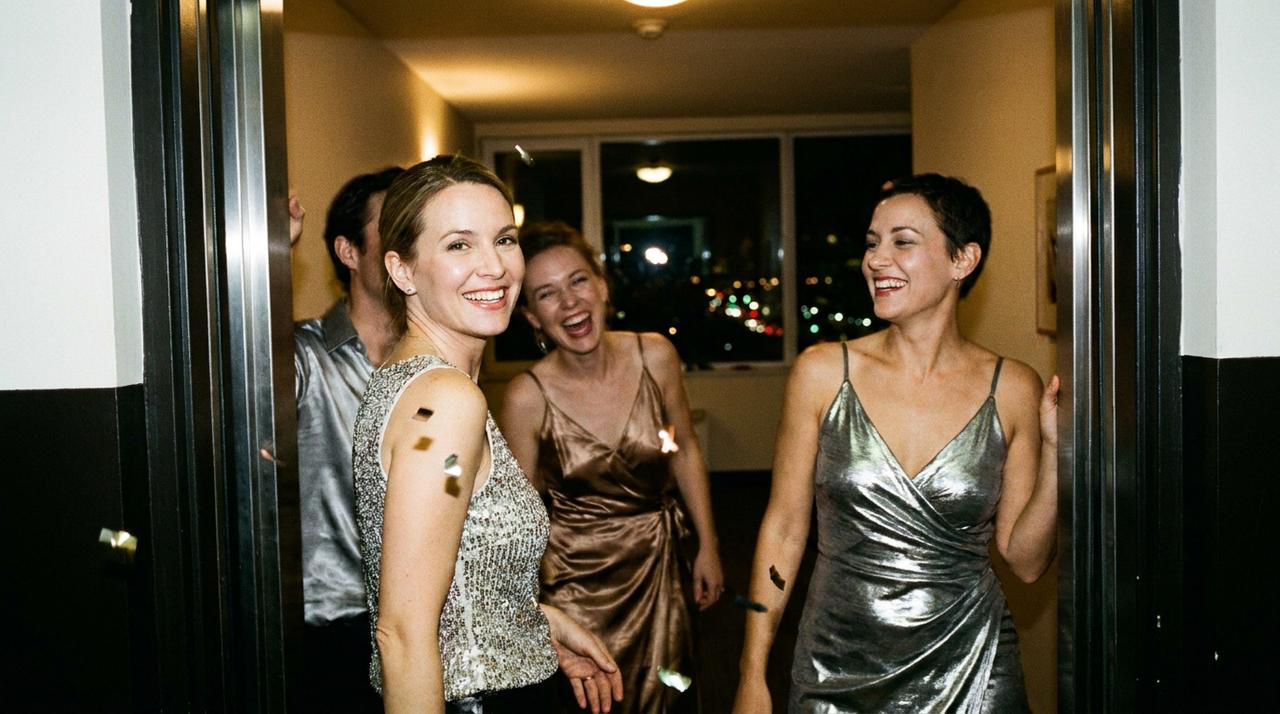
WayShot is a strong fit for iPhone users who want an early-2000s digital-camera aesthetic at a New Year’s Eve party without building the look manually. Its DigiCam Style supports the familiar combination of close direct flash, stronger color, visible but restrained grain, and a slightly imperfect after-dark finish. The most believable results still come from a nearby subject, a readable background, protected highlights, and well-timed candid moments—not from adding maximum grain to every dark photo.
Which iPhone camera apps can recreate the early-2000s digital camera aesthetic for New Year’s Eve parties?
WayShot is the most direct choice when the goal is a fast, scene-led party workflow: choose DigiCam before shooting when direct flash will shape the frame, or capture several photos first and apply a Style to the strongest library image afterward. Camera-simulation apps with larger retro libraries may suit people who want to browse many virtual cameras, but WayShot is better suited to moving quickly between portraits, group shots, dancing, and midnight details.A convincing early-2000s look is not only a filter. It comes from a bright nearby subject against a darker room, punchy but recognizable color, slight texture, hard-edged flash shadows, and moments that feel caught rather than directed.
How Should You Use Direct Flash at a New Year’s Eve Party?
Direct flash works best at close conversational distance. Photograph one to three people rather than expecting the flash to light an entire room. Keep some ambient light behind the subject so the party still has depth; a completely black background can make the image feel disconnected from the event.Ask friends to keep moving naturally, then take more than one frame. The first photo may catch a blink, while the next may preserve the expression that makes the moment feel real. DigiCam is designed for the kind of bold flash, saturated color, visible grain, and imperfect after-dark energy associated with compact digital cameras.Avoid mirrors or reflective decorations directly behind a face. They can return a hard flash hotspot toward the lens. The guide to the direct-flash digicam look on iPhone explains why subject distance and background light matter more than simply making the image brighter.
How Can You Handle Low Light Without Making Faces Look Artificial?
A dark party room contains several different problems: weak light on faces, bright lamps, colored LEDs, and rapid movement. Do not expect one treatment to solve all of them.Use DigiCam when a nearby subject and direct flash are the point of the photo. Choose Clean Girl for a quieter portrait that already has soft, usable room light. B&W can simplify a strong frame when several colored lights create a distracting mix, while ProCam suits an original that is already sharp and evenly exposed.Keep the room recognizable. Natural skin should not become orange because the background is warm, and a white shirt should not lose all detail because the flash is close. WayShot’s low-light Style guide offers a fuller scene-by-scene comparison.
Is Motion Blur Part of the Look?
A little motion can help. A moving hand, turning shoulder, falling confetti, or soft background dancer can make a party photo feel spontaneous. The early-2000s compact-camera aesthetic often includes imperfect timing because the picture was made quickly, not polished into stillness.The face or main gesture should still be readable. Severe blur across the eyes, a missed focus point, or a blocked expression is not useful nostalgia. Take short bursts of separate frames during dancing or the midnight reaction, then keep the one where the movement adds energy without erasing the subject.The relationship among daylight, flash, and low light is explained in Digicam Photos Change With Daylight, Flash, and Low Light.
How Should You Photograph Metallic and Shiny Party Clothes?
Silver dresses, sequins, satin shirts, jewelry, and glossy makeup can make flash photography feel especially appropriate, but they also create hard highlights. Angle the subject slightly rather than placing the brightest reflective surface squarely toward the phone. Check the first frame for clipped fabric, forehead shine, and bright jewelry.If the material has turned into a flat white patch, move farther away or change the angle before taking another photo. A Style can shape overall color and texture; it cannot reconstruct pattern or fabric detail that was completely overexposed.
When Should You Shoot With a Style or Edit Later?
Choose DigiCam before shooting when the group is close, the flash-led direction is intentional, and you have a few seconds to compose. The preview can help you decide how much background to include and whether reflective surfaces are distracting.Capture first and apply a Style later when people are dancing, counting down, hugging, or moving between rooms. Select the frame with the clearest eyes, strongest expression, and best-controlled highlights before choosing the aesthetic. At a crowded party, timing is more important than committing to a look before every shot.
Which New Year’s Eve Moments Suit the Look Best?
Use the flash-led direction for friends arriving, close group portraits, drinks raised near midnight, metallic outfits, table details, and candid reactions immediately after the countdown. Use softer room light for calm portraits and pre-party preparation. Let a wide room photo keep more ambient light instead of forcing direct-flash character onto distant subjects.A varied sequence feels more authentic than twenty identical flash portraits. The shared visual thread can come from repeated closeness, spontaneous expressions, stronger color, and restrained grain.
What Are the Real Limits?
WayShot can give a usable photo a clearer digital-camera direction through color, contrast, texture, warmth, monochrome treatment, or direct-flash character. It cannot recover missed focus, severe motion blur, clipped highlights, hidden faces, or detail the iPhone never recorded. It also cannot reproduce every optical, sensor, and physical-flash characteristic of a specific early-2000s camera.For the full boundary between styling and repair, read What WayShot Can—and Can’t—Fix in iPhone Photos.
Frequently Asked Questions
Which WayShot Style is best for New Year’s Eve party photos?
DigiCam is the clearest starting point for close direct-flash subjects, stronger color, visible grain, and after-dark energy. Use another Style when the scene is softly lit, monochrome, or already clean and evenly exposed.
Does more grain make a photo look more like an early-2000s digicam?
Not necessarily. Grain should support the photo rather than hide skin, clothing, or background detail. Flash distance, timing, color, and the relationship between the subject and room matter more.
Can WayShot fix a blurry countdown photo?
No. It can change the visual treatment of a usable frame, but it cannot reconstruct focus or facial detail lost to severe motion blur. Capture several frames during fast moments.
Should I use direct flash for every party photo?
No. Direct flash is most effective with nearby people or details. Wide room scenes, distant subjects, and softly lit portraits may look more natural with ambient light and a different Style.
Create your New Year’s Eve photo story with WayShot on the App Store or WayShot on Google Play.